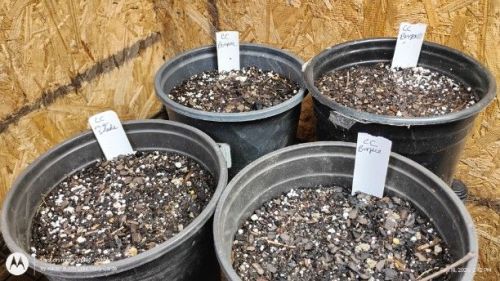
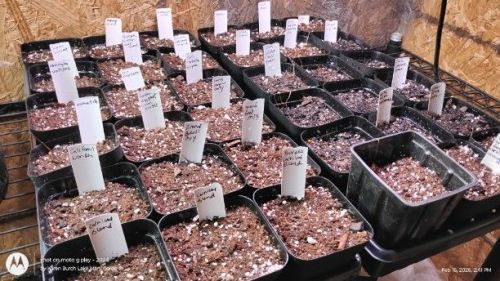
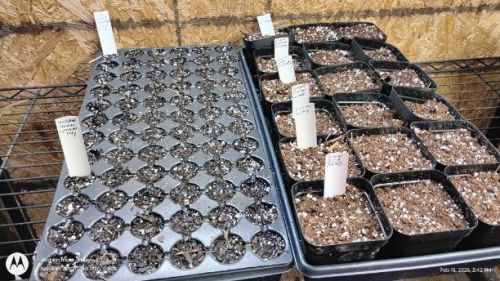
Lavender, Snapdragon, English Daisy and Shasta Daisy Seedlings

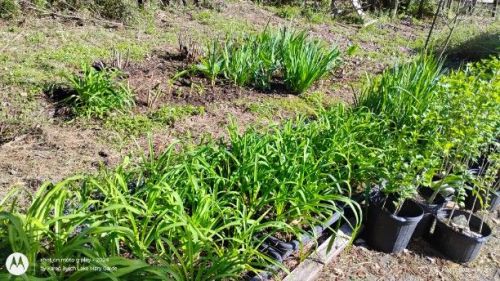
I have had some decent results starting my seedlings early and keeping them in a cold frame. I did see frost damage on some of the smaller Foxglove seedlings, so I probably moved those out too soon. I am starting seeds using other methods to ensure an optimal chance of success. I have been starting with a weeded bed and simply sprinkling poppy and snapdragon seeds. My first round of seeds was late November in Zone 8b. I watered them in, and hopefully they will sprout in time for spring. I am also trying the milk jug method and started one for the Foxgloves after I noticed the damage on my smallest seedlings. I threw some Foxglove seeds out into the beds, figuring, why not? I can sow seeds of cold-hardy plants every month until February. With many seeds sown, surely some will make it in time for Spring!

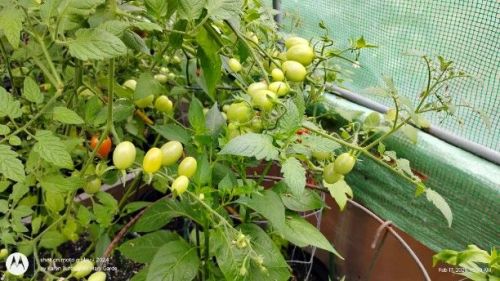
Update on Greenhouse Tomatoes

Currently, our greenhouse is filled with green tomatoes. The Hiiros seedlings, in particular, are thriving, and some seedlings are more productive than others, flourishing in this carefully managed environment. As the days warm up, I open the greenhouse early to avoid the temperature rising above 100 degrees. At night, I securely close the greenhouse, ensuring the temperature remains just right for optimal growth and creating a nurturing environment for our plants. I’ve been pleasantly surprised to see minimal impact on the electric bill since the heaters only operate at night, not allowing the temperature to drop below 50°F. They automatically shut off by morning, allowing me to maintain energy efficiency while watching our plants grow. I also spray organic remedies weekly, and so far, my plants are free of pest and disease issues. Earth’s Ally 3-in-1, Spinosad, and Dr.Earth Final Stop have worked miracles in preventing the usual pests, including aphids, whiteflies, tomato leaf miners, and mites. How lovely to see my leaves clear of mites!